Originally Posted: November 3, 2024
If you need to sell a damaged house, the first thing to know is that you still have options. A house with water damage, fire damage, structural problems, mold, outdated systems, or major cosmetic issues can still be sold. The best path depends on the condition of the property, how much time you have, how much money you want to invest before selling, and what kind of buyer you want to attract.
Many homeowners assume they have to fully repair a property before putting it on the market. That is sometimes true if your goal is to appeal to traditional retail buyers, but it is not the only option. If you need to sell a damaged home in Ontario, it is important to look at the full cost of repairs, the likely resale timeline, and whether a direct sale may be a better fit for your situation.
Damaged property guide
What Matters Most Before You Put a Damaged Property Up for Sale
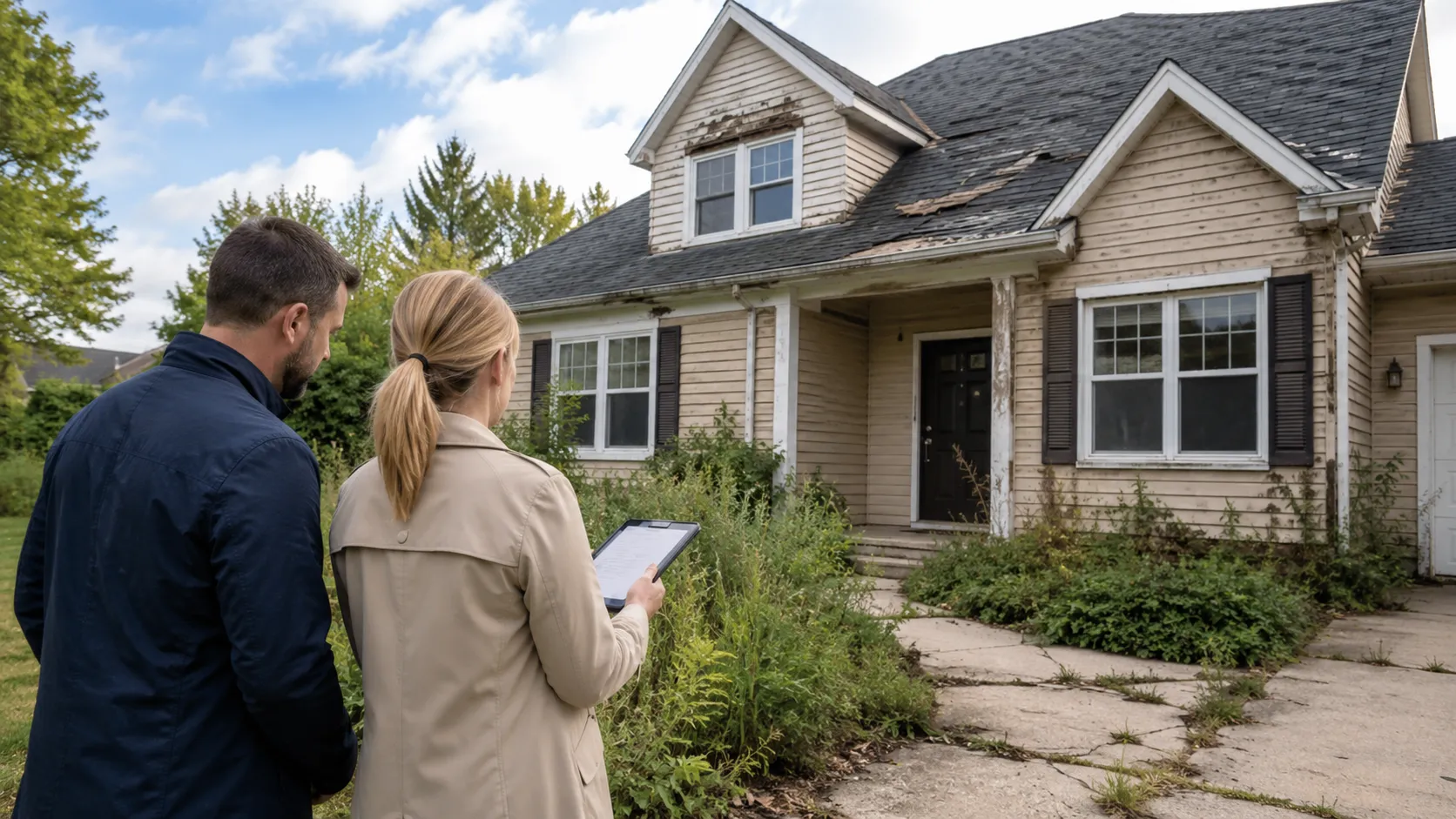
Not all damage affects a sale the same way. Some homes have mostly cosmetic issues like worn flooring, old kitchens, stained walls, or dated bathrooms. Other properties have larger concerns such as roof leaks, foundation movement, plumbing problems, electrical issues, fire damage, or water intrusion. The type of damage affects who will consider buying the property and how much work the buyer expects to take on after closing.
Before deciding how to sell a damaged home, take a realistic look at the condition of the property and the money needed to improve it. If the repair list is long, the better question may not be how to fix everything. It may be whether doing all that work makes financial sense before you sell.
What Your Selling Options Usually Look Like
If you need to sell a damaged house, most sellers end up considering one of three directions. The first is repairing the property before selling. The second is listing the house as-is on the open market. The third is selling directly to a buyer who purchases homes in their current condition.
Repairing the house may help attract a wider group of buyers, but it also means more time, more money, and more risk. Listing as-is avoids the renovation process, but buyers may still ask for inspections, credits, and price reductions. Selling directly can often be the most practical path when the property needs major work or when the owner wants a cleaner and faster process.
The right option depends on the severity of the damage, the amount of cash you want to spend upfront, and how quickly you need to move on from the property.
Questions Worth Asking Before You Decide
Before you commit to a strategy, it helps to step back and look at the numbers and the timeline. How serious is the damage? Is it mostly cosmetic, or are there larger problems affecting the roof, structure, plumbing, electrical system, or foundation? How much would it cost to get the house into listing condition, and how long would that work take?
You should also think about your holding costs while the property sits. Mortgage payments, utilities, insurance, taxes, and maintenance can all add up while repairs are underway or while the property is waiting for the right buyer. In many cases, those carrying costs are one of the biggest reasons sellers start looking for a more direct solution.
When the goal is to sell a damaged home without taking on another major project, simplicity and timing often matter just as much as price.
When Repairing the Property Might Be Worth It
Repairing a damaged house before selling may make sense if the issues are mostly cosmetic and the home is located in an area where updated listings move quickly. Fresh paint, flooring replacement, minor plumbing repairs, and other manageable updates can sometimes help the home appeal to a wider group of buyers.
Still, it is important to be careful with the numbers. A lot of sellers spend more than they expect and still find themselves negotiating with buyers after the inspection. If the property has major damage, repair costs can grow fast. Delays with contractors, permits, and materials can also stretch out the timeline. If you need to sell a damaged home quickly, waiting months for renovations may not be realistic.
Questions to ask before repairing
How much will the work actually cost? How long will it take? Will the finished property appeal to traditional buyers in your market? Will the increase in sale price justify the money and time spent on repairs?
When repairs may not make sense
If the house has fire damage, extensive water damage, structural problems, mold, or systems that need full replacement, selling as-is is often the more practical option.
What to Expect if You List a Damaged House As-Is
Listing a damaged house as-is can work, but it does not remove all the usual steps of a traditional sale. Buyers may still ask for showings, inspections, repair credits, or price reductions. Many financed buyers are also limited by lender requirements. If the property condition is severe enough, the home may not qualify for certain types of financing at all.
That means the buyer pool is often smaller. The people most likely to buy a damaged property are investors, contractors, landlords, or buyers specifically looking for a project. If you choose to list as-is, it helps to price the house realistically and be prepared for feedback about condition and repair costs.
As-is still means buyers will evaluate the damage
Selling as-is does not mean buyers ignore the condition. It means you are choosing not to complete repairs before selling, so price and buyer expectations need to reflect that from the start.
Why Many Homeowners Choose a Direct Sale for a Damaged Property
If you need to sell a damaged house without spending more money on repairs, a direct sale can be the simplest solution. This option is especially useful for inherited properties, vacant homes, rentals with deferred maintenance, houses with insurance claim issues, or homes where the owner simply does not want to manage another project.
At SLG Home Buyer, the focus is on buying houses in their current condition so homeowners can move on without making repairs first. For sellers dealing with a damaged property, this can reduce holding costs, eliminate contractor delays, and shorten the overall selling timeline.
No repair work first
You can sell in the property’s current condition without taking on months of renovations or cleanup.
A faster timeline
This can be useful if the house is vacant, costing you money each month, or creating ongoing stress.
Works for major damage too
Homes with water issues, fire damage, structural problems, or heavy deferred maintenance can still be sold.
A more predictable process
Instead of juggling contractors, showings, and uncertain buyer financing, you can move forward with a clearer plan.
How to Decide Which Option Fits Your Situation
Every damaged property is different. If the home only needs small updates and you are not in a rush, repairing and listing may be worth exploring. If the damage is larger, the timeline is tight, or you do not want to invest more money upfront, selling as-is often becomes the more practical choice.
It helps to ask a few basic questions. How serious is the damage? How much cash do you want to spend before selling? How long are you willing to hold the property? Are you dealing with insurance issues, an inherited property, a vacant house, or mounting repair liability? The answers usually point you toward the right path.
The best sale strategy usually comes down to cost, condition, and timing
If the house needs more work than you want to take on, or if holding the property is becoming expensive, a direct sale can be the easier way to move forward.
Local Options if You Need to Sell a Damaged Home Fast
If you are looking for a more direct option, SLG Home Buyer works with homeowners across Southern Ontario who want to sell without repairs, agent fees, or extended timelines. You can also explore local pages for Hamilton, Oshawa, Durham, Barrie, Niagara Falls, and London.
If you are searching for terms like sell a damaged home Durham ON, sell a damaged home Hamilton ON, or sell a damaged house Oshawa ON, the goal is usually the same. You want a realistic way to sell without turning the property into a much larger project than it already is.
What Many Sellers Really Want From the Process
Most owners of damaged properties are not looking for a complicated process. They want clear information, a fair option, and a way to move on without spending months coordinating repairs and waiting for the right buyer to appear. That is why it helps to look beyond the idea of full market value alone and think about the total cost of holding, repairing, and selling the property.
If you need to sell a damaged home and want to review your options, contact SLG Home Buyer today. Call 647-694-3409 or use the online form to get started.